NationalHCAW H.O.P.E. Campaign

NationalHCAW 2026 H.O.P.E. Poster
This poster is available for download from our resources page.
Links to H.O.P.E. Campaign Sections

H
H
H
H for Hate crime awareness - We want to ensure everyone knows what hate crime is, its impact on our communities, and how we can work together to eliminate it.
O
H
H
O for Operational responses - We want to improve how the police respond to hate crime, and ensure our communities are prepared to respond as well.
.
P
H
P
P for Preventing hate crime - We need to learn from what has happened before and put measures in place to prevent it happening again.
E
H
P
E for Engaging communities - We want to ensure communities are consulted and involved in the process of developing strategies to tackle hate crime across the UK.
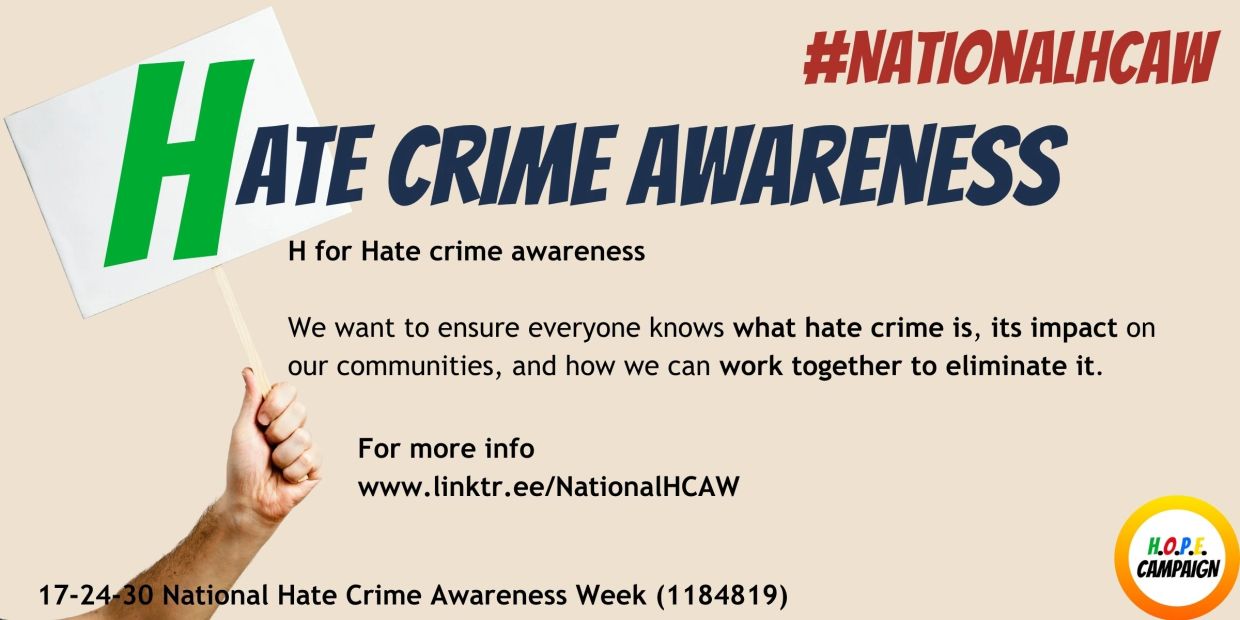
H for Hate Crime Awareness
We want to hear your ideas about raising Hate Crime Awareness
Take the H and make it your own - - tell us how your are promoting hate crime awareness. Let's share ideas and support each other's campaigns.
We share definitions of hate crime
01:12
01:12
01:12

The law recognises five types of hate crime on the basis of:
- Race
- Religion
- Disability
- Sexual orientation
- Transgender identity
02:12
01:12
01:12
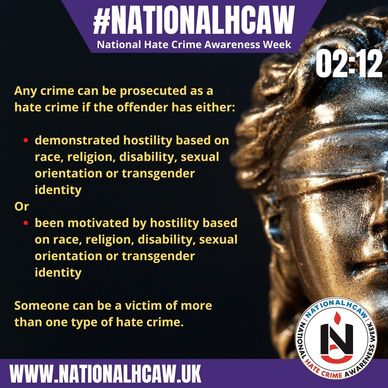
Any crime can be prosecuted as a hate crime if the offender has either: (a) demonstrated hostility based on race, religion, disability, sexual orientation or transgender identity, Or (b) been motivated by hostility based on race, religion, disability, sexual orientation or transgender identity
Someone can be a victim of more than one type of hate crime.
03:12
01:12
03:12
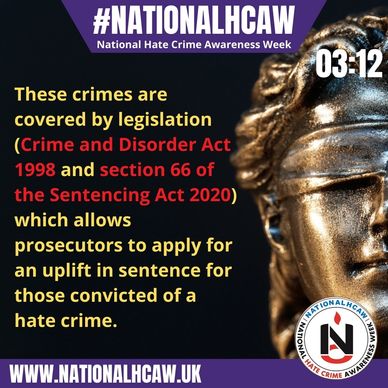
These crimes are covered by legislation (Crime and Disorder Act 1998 and section 66 of the Sentencing Act 2020) which allows prosecutors to apply for an uplift in sentence for those convicted of a hate crime.
04:12
04:12
03:12
The police and the CPS have agreed the following definition for identifying and flagging hate crimes: "Any criminal offence which is perceived by the victim or any other person, to be motivated by hostility or prejudice, based on a person's disability or perceived disability; race or perceived race; or religion or perceived religion; or sexual orientation or perceived sexual orientation or transgender identity or perceived transgender identity."
05:12
04:12
05:12
There is no legal definition of hostility so the CPS use the everyday understanding of the word which include use the everyday understanding of the word which includes ill-will, spite, contempt, prejudice, unfriendliness, antagonism, resentment and dislike.
06:12
04:12
05:12
Hate crime targets people for who they are.
It's a very personal crime which can send a clear message: "You're not welcome".
Hate crime also reinforces long-established patterns of discrimination and prejudice against certain communities and groups of people.
07:12
07:12
07:12
The police investigate and obtain evidence to show a crime has been committed.
In hate crime cases this includes gathering evidence that the victim has been targeted because of their race, religion, disability, sexual orientation or transgender identity - or what the offender believes to be their race, religion, disability, sexual orientation or transgender identity.
08:12
07:12
07:12
The CPS is responsible for deciding which cases go to court. This includes taking a decision on whether there is enough evidence to prosecute a crime as a hate crime.
If an offender pleads not guilty, the CPS is responsible for preparing and presenting the case against them at court
09:12
07:12
Crown Prosecution Service
In hate crime cases, the CPS is also responsible for asking the courts to increase the sentence the offender receives - to reflect that the crime was a hate crime.
College of Policing
Crown Prosecution Service
College of Policing
College Of Policing Website
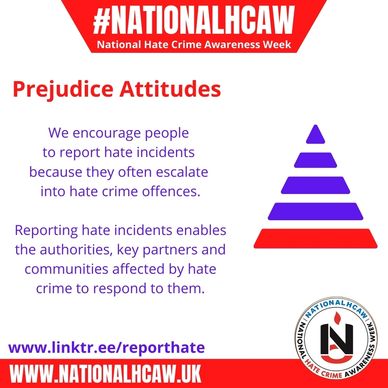
Pyramid of Hate and Prejudiced Attitudes
Pyramid of Hate
Prejudiced Attitudes
Prejudiced Attitudes
Please don't tag us in hateful posts.
We are here to prevent hate, not spread it.
Direct Message us if you need to alert us to hateful posts/propaganda online.
Prejudiced Attitudes
Prejudiced Attitudes
Prejudiced Attitudes
We are here to prevent hate, not spread it.
We won't respond to hateful posts, but we will report and document them, and use them to evidence the need for our work.
Reporting Hate
Prejudiced Attitudes
Reporting Hate
Please don't tag us in hateful posts.
We are here to prevent hate, not spread it.
Direct Message us if people need advice and support to tackle hate crime.
Hateful Posts
Advice & Support
Reporting Hate
Please don't tag us in hateful posts.
We are here to prevent hate, not spread it.
Direct message us if you need to alert us to hateful posts/propaganda online.
#ReportHate www.linktr.ee/reporthate
Hateful Posts
Advice & Support
Advice & Support
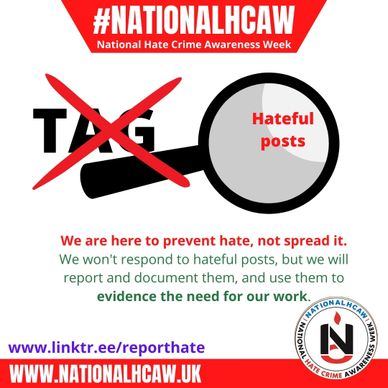
Please don't tag us in hateful posts.
We are here to prevent hate, not spread it.
We won't respond to hateful posts, but we will report and document them, and use them to evidence the need for our work.
#ReportHate www.linktr.ee/reporthate.
Advice & Support
Advice & Support
Advice & Support
Please don't tag us in hateful posts.
We are here to prevent hate, not spread it.
Direct message us if people need advice and support to tackle hate crime
#ReportHate www.linktr.ee/reporthate
Hate Crime Reporting Cards
Hate Crime Reporting Cards
Hate Crime Reporting Cards
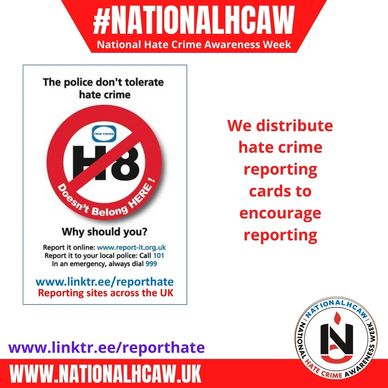
We distribute hate crime reporting cards to encourage reporting.
Hate Crime Leaflets
Hate Crime Reporting Cards
Hate Crime Reporting Cards
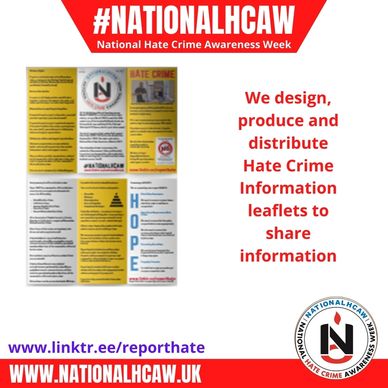
We design, produce and distribute Hate Crime Information leaflets to share information.
Hate Crime Links
Hate Crime Reporting Cards
Hate Crime Links
We encourage hate crime reporting through our Report Hate Linktree, website, social media and other resources.
We Promote Hate Crime Reporting
Report Hate Crime
Three Reporting Routes
Three Reporting Routes
We have a dedicated webpage which provides information about reporting hate crime.
Three Reporting Routes
Three Reporting Routes
Three Reporting Routes
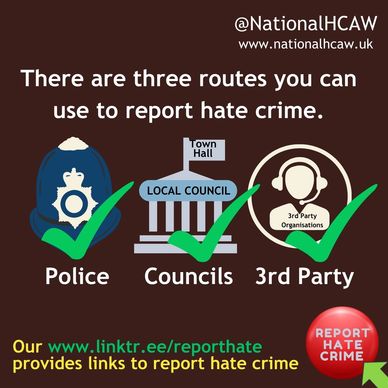
The three main hate crime routes we promote are the police, local councils and independent third party organisations.
Three Ways To Report
Three Reporting Routes
Three Ways To Report
The three main ways you can report hate crime are in person, over the phone and online via the internet.
Your Local Police
101 For Non-Emergencies
Three Ways To Report
We have created a Linktree list of police, councils and independent third party advice and support organisations.
999 In An Emergency
101 For Non-Emergencies
101 For Non-Emergencies
In an emergency call the police 999, they are the only service who can repond straight away.
101 For Non-Emergencies
101 For Non-Emergencies
101 For Non-Emergencies
If it is not an emergency you can contact the police using the non-emergency 101 number.
You Can Report Online
Speak To Local Councils
Speak To Local Councils
If you have access to the internent it may be quicker to report non-emergency hate crime to the police online via the True Vision website.
Speak To Local Councils
Speak To Local Councils
Speak To Local Councils
If you don't want to talk to the police you could contact your local council - some councils facilitate hate crime reporting.
Your Local Council
Speak To Local Councils
Speak to 3rd Party Organisations
Check your local council's website to see if they facilitate hate crime reporting or signpost to local third party organisations.
Speak to 3rd Party Organisations
Speak to 3rd Party Organisations
Speak to 3rd Party Organisations
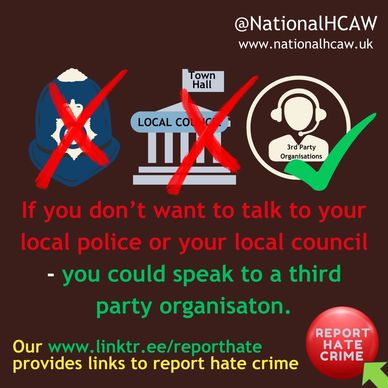
If you don't want to talk to the police or your local council - you could speak to independent third party advice and support organisations.
3rd Party Organisations
Speak to 3rd Party Organisations
3rd Party Organisations
Check out our list of independent third party organisations on our Reporting Hate Crime webpage.
Report Hate Crime
Speak to 3rd Party Organisations
3rd Party Organisations
Check out the ReportHate Linktree that provides links to local police, councils and third party organisations.
O for improving Operational Responses
We want to hear your ideas about improving Operational Responses
We would like to hear your ideas - how can we work with the police, local councils, and third party organisations to improve the way they respond to hate crime?
How can we ensure our communities are ready and prepared to respond as well?
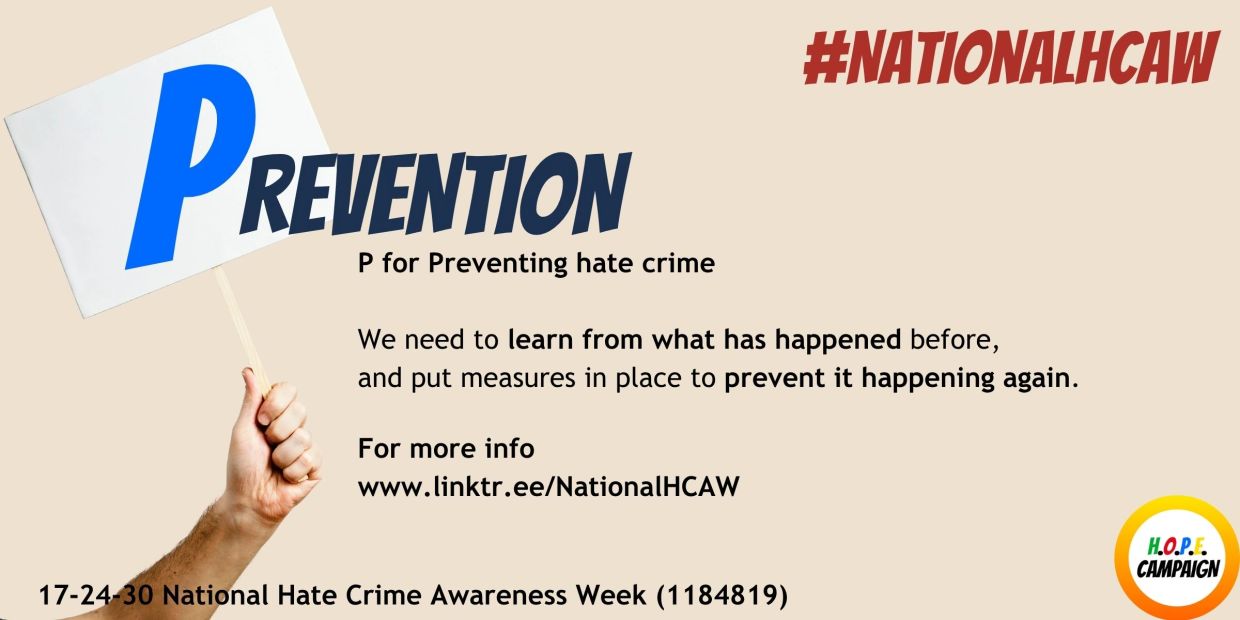
P for Hate Crime Prevention
We want to hear your ideas about preventing Hate Crime.
What can we do to prevent hate crime?
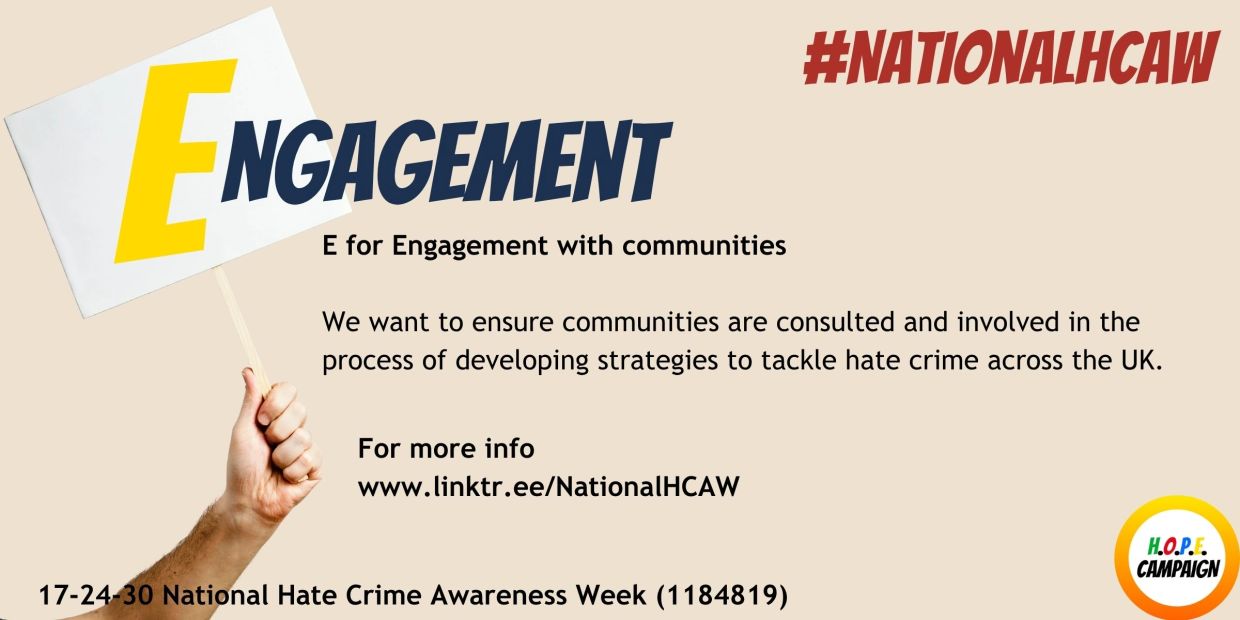
E for Community Engagement
We want to hear your ideas about improving Community Engagement
How can we improve Community Engagement?
We promote our anti-hate crime charity
17-24-30
NationalHCAW
NationalHCAW
17, 24, and 30 represents the 17th, 24th and 30th April - the anniversaries of Brixton, Brick Lane and Soho.
NationalHCAW
NationalHCAW
NationalHCAW
NationalHCAW stands for National Hate Crime Awareness Week.
Our Aims
NationalHCAW
H.O.P.E. Campaign
We aim to bring people together, to say no to hate crime in our communities, and live in peace and harmony together.
H.O.P.E. Campaign
UK Hate Crime Network
H.O.P.E. Campaign
We facilitate an annual H.O.P.E. Campaign to promote Hate Crime Awareness.
UK Hate Crime Network
UK Hate Crime Network
UK Hate Crime Network
We facilitate the UK Hate Crime Network group on LinkedIn, a national network for the UK Hate Crime Sector.
Volunteers
UK Hate Crime Network
UK Hate Crime Network
We involve volunteers.
Volunteer Refreshments
Volunteer Refreshments
Volunteer Refreshments
We prvide refreshments for our volunteers.
Hate Crime Packs
Volunteer Refreshments
Volunteer Refreshments
We design, produce and distribute 300 Hate Crime Packs across London each year funded by MOPAC.
Hate Crime Stacks
Volunteer Refreshments
Facebook Fundraisers
We design, produce and distribute 15 Hate Crime Stacks for London police teams to distribute to local communities.
Facebook Fundraisers
Facebook Fundraisers
Facebook Fundraisers
You can support us by donating to our Facebook Fundrasiers.
PayPal Giving
Facebook Fundraisers
Rainbow Lottery
You can support us by donating via our PayPal Charity page.
Rainbow Lottery
Facebook Fundraisers
Rainbow Lottery
You can support us by purchasing lottery tickets via our Rainbow Lottery page.
We organise National Hate Crime Awareness Week
National Hate Crime Awareness Week
National Hate Crime Awareness Week
National Hate Crime Awareness Week
The national week aims to encourage the authorities (Government, Police and Councils), key partners and communities affected by hate crime to work together to tackle local hate crime incidents across the UK. www.linktr.ee/nationalhcaw
National Hate Crime Awareness Week
National Hate Crime Awareness Week
National Hate Crime Awareness Week
The national week aims to encourage the authorities (Government, Police and Councils), key partners and communities affected by hate crime to work together to tackle local hate crime incidents across the UK. www.linktr.ee/nationalhcaw
National Hate Crime Awareness Week
National Hate Crime Awareness Week
National Hate Crime Awareness Week
The national week aims to encourage the authorities (Government, Police and Councils), key partners and communities affected by hate crime to work together to tackle local hate crime incidents across the UK. www.linktr.ee/nationalhcaw
National Hate Crime Awareness Week
National Hate Crime Awareness Week
National Hate Crime Awareness Week
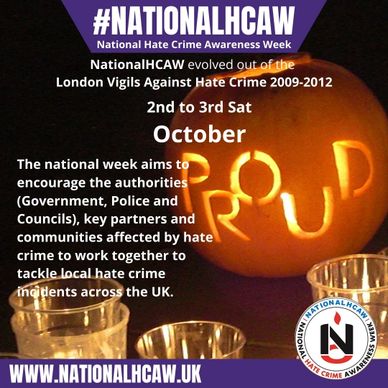
The national week aims to encourage the authorities (Government, Police and Councils), key partners and communities affected by hate crime to work together to tackle local hate crime incidents across the UK. www.linktr.ee/nationalhcaw
National Hate Crime Awareness Week
National Hate Crime Awareness Week
National Hate Crime Awareness Week
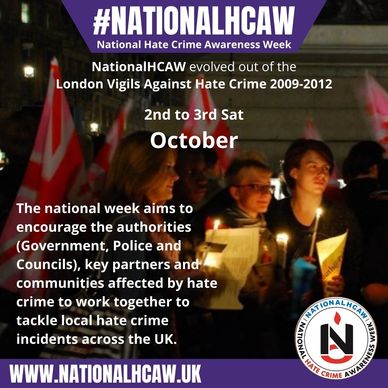
The national week aims to encourage the authorities (Government, Police and Councils), key partners and communities affected by hate crime to work together to tackle local hate crime incidents across the UK. www.linktr.ee/nationalhcaw
National Hate Crime Awareness Week
National Hate Crime Awareness Week
National Hate Crime Awareness Week
The national week aims to encourage the authorities (Government, Police and Councils), key partners and communities affected by hate crime to work together to tackle local hate crime incidents across the UK. www.linktr.ee/nationalhcaw
National Hate Crime Awareness Week
National Hate Crime Awareness Week
National Hate Crime Awareness Week
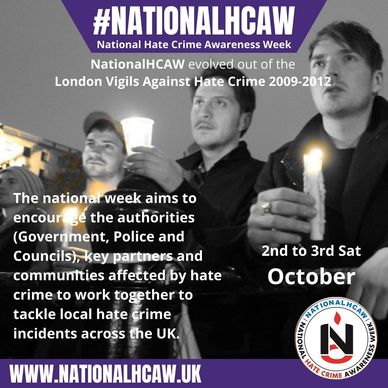
The national week aims to encourage the authorities (Government, Police and Councils), key partners and communities affected by hate crime to work together to tackle local hate crime incidents across the UK. www.linktr.ee/nationalhcaw
National Hate Crime Awareness Week
National Hate Crime Awareness Week
National Hate Crime Awareness Week
The national week aims to encourage the authorities (Government, Police and Councils), key partners and communities affected by hate crime to work together to tackle local hate crime incidents across the UK. www.linktr.ee/nationalhcaw
National Hate Crime Awareness Week
National Hate Crime Awareness Week
National Hate Crime Awareness Week
The national week aims to encourage the authorities (Government, Police and Councils), key partners and communities affected by hate crime to work together to tackle local hate crime incidents across the UK. www.linktr.ee/nationalhcaw
National Hate Crime Awareness Week
National Hate Crime Awareness Week
National Hate Crime Awareness Week
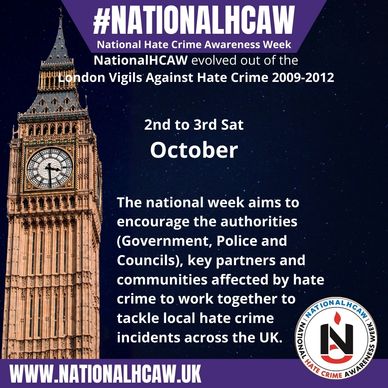
The national week aims to encourage the authorities (Government, Police and Councils), key partners and communities affected by hate crime to work together to tackle local hate crime incidents across the UK. www.linktr.ee/nationalhcaw
National Hate Crime Awareness Week
National Hate Crime Awareness Week
National Hate Crime Awareness Week
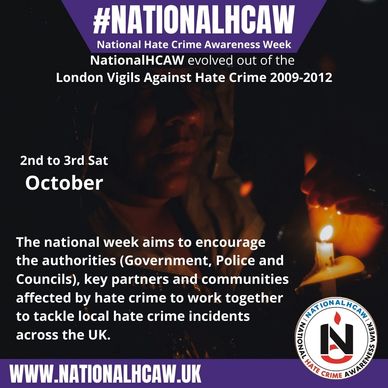
The national week aims to encourage the authorities (Government, Police and Councils), key partners and communities affected by hate crime to work together to tackle local hate crime incidents across the UK. www.linktr.ee/nationalhcaw
National Hate Crime Awareness Week
National Hate Crime Awareness Week
National Hate Crime Awareness Week
The national week aims to encourage the authorities (Government, Police and Councils), key partners and communities affected by hate crime to work together to tackle local hate crime incidents across the UK. www.linktr.ee/nationalhcaw
We Google Map Hate Crime Activities
NationalHCAW Google Map
NationalHCAW Google Map
NationalHCAW Google Map
Green markers represent websites with hate crime information on our NationalHCAW Google Map.
NationalHCAW Google Map
NationalHCAW Google Map
NationalHCAW Google Map
Green markers represent websites with hate crime information on our NationalHCAW Google Map.
NationalHCAW Google Map
NationalHCAW Google Map
Green markers represent websites with hate crime information on our NationalHCAW Google Map.
Council Websites
Green markers represent websites with hate crime information on our NationalHCAW Google Map.
Council Websites
Hate Crime Articles
Red markers represent websites with no hate crime information on our NationalHCAW Google Map.
Hate Crime Articles
Hate Crime Articles
Black markers represent articles about the national week on our NationalHCAW Google Map.
Activity Markers
Register your Events
Register your Events
Purple markers represent registered hate crime activtities on our NationalHCAW Google Map.
Register your Events
Register your Events
Register your Events
Register your hate crime activities so we can add them to our NationalHCAW Google Map.
Statement Markers
Register your Events
Submit your Statements
Blue markers represent Statements of Support for the national week on our NationalHCAW Google Map.
Submit your Statements
Submit your Statements
Submit your Statements
Email us your Statements of Support for the national week so we can add them to our NationalHCAW Google Map.
Hate Crime Directory
Submit your Statements
Hate Crime Directory
Register your details for our Hate Crime Directory
Hate Crime Projects
Submit your Statements
Hate Crime Directory
Register your projects for our Hate Crime Projects Database
NO EXCUSE Campaign
NO EXCUSE Do You Check?
NO EXCUSE Hateful Behaviour
NO EXCUSE Don't Share It!
How often do you check your followers?
There is no excuse for hateful behaviour. We will regularly review and remove followers who share inappropriate behaviours and content.
NO EXCUSE Don't Share It!
NO EXCUSE Hateful Behaviour
NO EXCUSE Don't Share It!
If you see hate online - don't share it! Report it and help us get it taken down.
NO EXCUSE Hateful Behaviour
NO EXCUSE Hateful Behaviour
NO EXCUSE Disablist Behaviour
There is no excuse for hateful behaviour - You can help us report it and get it taken down.
NO EXCUSE Disablist Behaviour
NO EXCUSE Disablist Behaviour
NO EXCUSE Disablist Behaviour
There is no excuse for Disablist behaviour - You can help us report it and get it taken down.
NO EXCUSE Antisemitism
NO EXCUSE Disablist Behaviour
NO EXCUSE Antisemitism
There is no excuse for Antisemitism - You can help us report it and get it taken down.
NO EXCUSE Islamophobia
NO EXCUSE Disablist Behaviour
NO EXCUSE Antisemitism
There is no excuse for Islamophobia - You can help us report it and get it taken down.
NO EXCUSE CAMPAIGN 03
NO EXCUSE CAMPAIGN 03
NO EXCUSE CAMPAIGN 03
There is no excuse for Homophobic behaviour - You can help us report it and get it taken down.
NO EXCUSE CAMPAIGN 03
NO EXCUSE CAMPAIGN 03
NO EXCUSE CAMPAIGN 03
There is no excuse for Homophobic behaviour - You can help us report it and get it taken down.
NO EXCUSE CAMPAIGN 06
NO EXCUSE CAMPAIGN 03
NO EXCUSE Racist Behaviour
There is no excuse for Transphobic behaviour - You can help us report it and get it taken down.
NO EXCUSE Racist Behaviour
NO EXCUSE Xenophobic Behaviour
NO EXCUSE Racist Behaviour
There is no excuse for Racist behaviour - You can help us report it and get it taken down.
NO EXCUSE Xenophobic Behaviour
NO EXCUSE Xenophobic Behaviour
NO EXCUSE Xenophobic Behaviour
There is no excuse for Xenophobic behaviour - You can help us report it & get it taken down.
NO EXCUSE Sexist Behaviour
NO EXCUSE Xenophobic Behaviour
NO EXCUSE Xenophobic Behaviour
There is no excuse for Sexist behaviour - You can help us report it and get it taken down.
KEEP THE INTERNET HATE FREE - REPORT HATE
KEEP THE INTERNET HATE FREE
KEEP THE INTERNET HATE FREE
KEEP THE INTERNET HATE FREE
Keep the internet Hate Free. Report Hate. https://nationalhcaw.uk/report-hate-crime
KEEP THE INTERNET HATE FREE
KEEP THE INTERNET HATE FREE
KEEP THE INTERNET HATE FREE
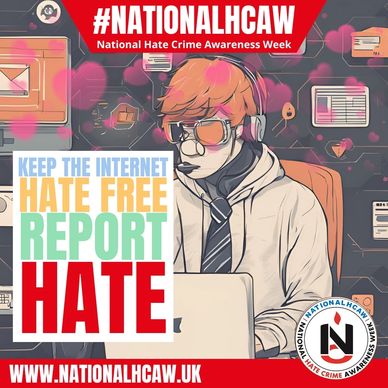
Keep the internet Hate Free. Report Hate. https://nationalhcaw.uk/report-hate-crime
KEEP THE INTERNET HATE FREE
KEEP THE INTERNET HATE FREE
KEEP THE INTERNET HATE FREE
Keep the internet Hate Free. Report Hate. https://nationalhcaw.uk/report-hate-crime
KEEP THE INTERNET HATE FREE
KEEP THE INTERNET HATE FREE
KEEP THE INTERNET HATE FREE
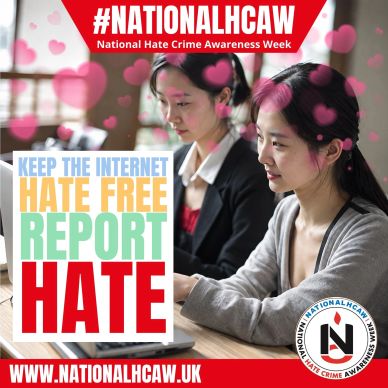
Keep the internet Hate Free. Report Hate. https://nationalhcaw.uk/report-hate-crime
KEEP THE INTERNET HATE FREE
KEEP THE INTERNET HATE FREE
KEEP THE INTERNET HATE FREE

Keep the internet Hate Free. Report Hate. https://nationalhcaw.uk/report-hate-crime
KEEP THE INTERNET HATE FREE
KEEP THE INTERNET HATE FREE
KEEP THE INTERNET HATE FREE

Keep the internet Hate Free. Report Hate. https://nationalhcaw.uk/report-hate-crime
KEEP THE INTERNET HATE FREE
KEEP THE INTERNET HATE FREE
KEEP THE INTERNET HATE FREE
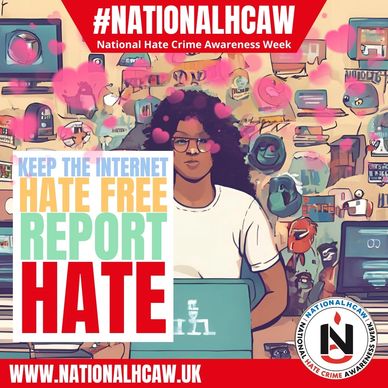
Keep the internet Hate Free. Report Hate. https://nationalhcaw.uk/report-hate-crime
KEEP THE INTERNET HATE FREE
KEEP THE INTERNET HATE FREE
KEEP THE INTERNET HATE FREE
Keep the internet Hate Free. Report Hate. https://nationalhcaw.uk/report-hate-crime
KEEP THE INTERNET HATE FREE
KEEP THE INTERNET HATE FREE
KEEP THE INTERNET HATE FREE
Keep the internet Hate Free. Report Hate. https://nationalhcaw.uk/report-hate-crime
KEEP THE INTERNET HATE FREE
KEEP THE INTERNET HATE FREE
KEEP THE INTERNET HATE FREE

Keep the internet Hate Free. Report Hate. https://nationalhcaw.uk/report-hate-crime
KEEP THE INTERNET HATE FREE
KEEP THE INTERNET HATE FREE
KEEP THE INTERNET HATE FREE
Keep the internet Hate Free. Report Hate. https://nationalhcaw.uk/report-hate-crime
KEEP THE INTERNET HATE FREE
KEEP THE INTERNET HATE FREE
KEEP THE INTERNET HATE FREE
Keep the internet Hate Free. Report Hate. https://nationalhcaw.uk/report-hate-crime
Hash Tags #NoPlaceForHate #SafePlaceForAll UK
#NoPlaceForHate
#NoPlaceForHate
#NoPlaceForHate

There should be No Place For Hate in the UK
#NoPlaceForHate
#NoPlaceForHate
#NoPlaceForHate

There should be No Place For Hate in the UK
#NoPlaceForHate
#NoPlaceForHate
#NoPlaceForHate

There should be No Place For Hate in the UK
#NoPlaceForHate
#NoPlaceForHate
#NoPlaceForHate

There should be No Place For Hate in the UK
#NoPlaceForHate
#NoPlaceForHate
#NoPlaceForHate
There should be No Place For Hate in the UK
#NoPlaceForHate
#NoPlaceForHate
#NoPlaceForHate
There should be No Place For Hate in the UK
#SafePlaceForAll
#SafePlaceForAll
#SafePlaceForAll

The UK should be a Safe Place For All.
#SafePlaceForAll
#SafePlaceForAll
#SafePlaceForAll
The UK should be a Safe Place For All.
#SafePlaceForAll
#SafePlaceForAll
#SafePlaceForAll
The UK should be a Safe Place For All.
#SafePlaceForAll
#SafePlaceForAll
#SafePlaceForAll

The UK should be a Safe Place For All.
#SafePlaceForAll
#SafePlaceForAll
#SafePlaceForAll

The UK should be a Safe Place For All.
#SafePlaceForAll
#SafePlaceForAll
#SafePlaceForAll
The UK should be a Safe Place For All.